
EU Toll Reforms 2026: Rewriting the Cost Map for Refrigerated Fleets
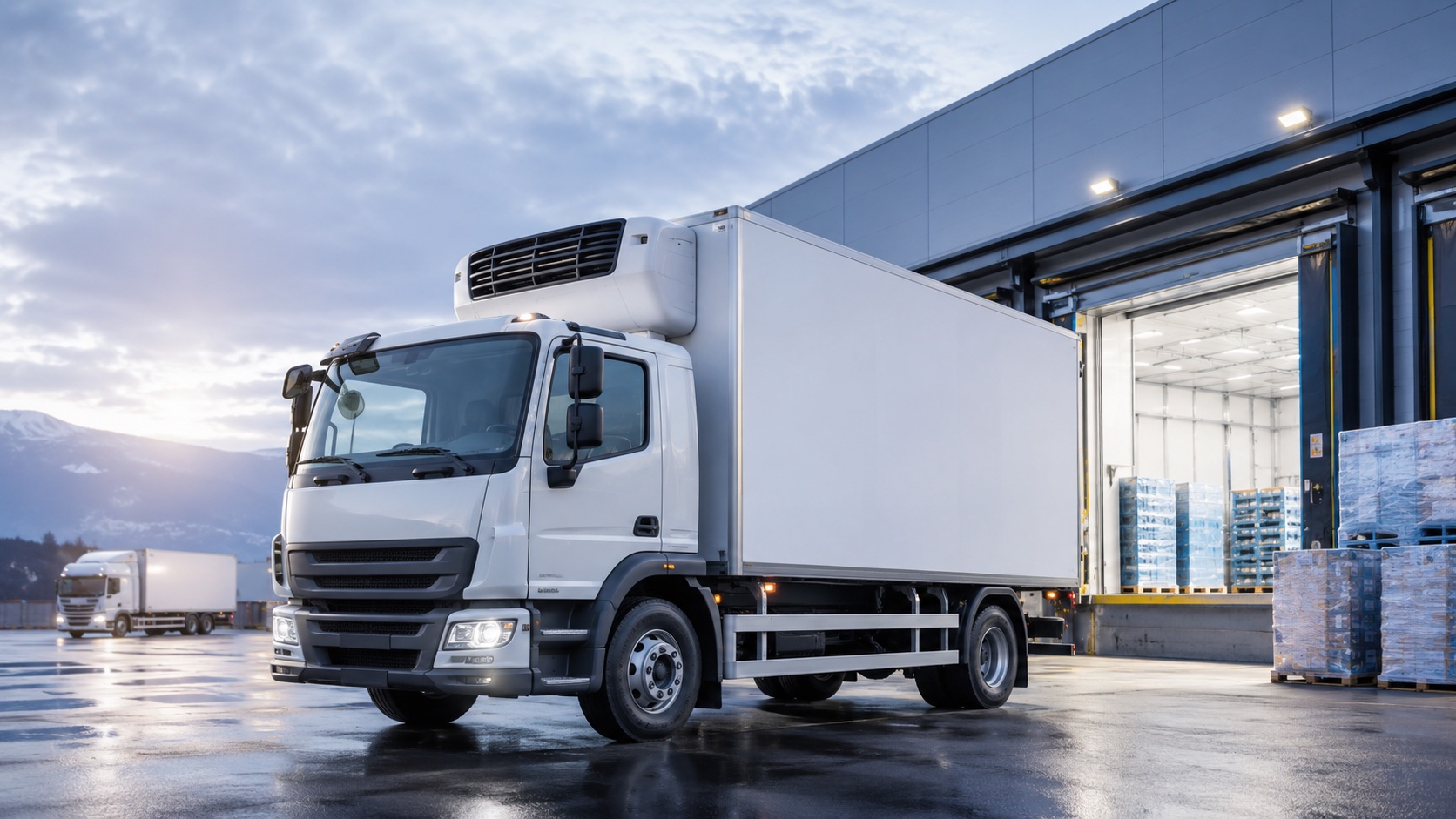
New toll systems in Poland, the Netherlands, Romania and Germany are reshaping refrigerated transport economics in 2026. Navicon explains how cold chain logistics operators can turn CO2-based discounts into a competitive advantage.
More News
Europe's road toll landscape is undergoing its most significant transformation in a decade, and refrigerated transport operators are among those most exposed to the changes. Poland's e-TOLL rates jumped 40-42% in February 2026, the Netherlands is retiring its Eurovignette on July 1 in favor of distance-based charging averaging €0.191/km, and Romania is launching TollRo the same day, replacing its flat rovinieta with per-kilometer pricing for trucks. For cold chain logistics providers running temperature-controlled fleets across multiple EU corridors, these reforms are no longer background noise — they are a direct line item on every route calculation.
What makes this moment particularly consequential is the growing link between vehicle emissions class and toll pricing. Germany, Austria, Czech Republic, Belgium and Hungary already tie toll costs to CO2 emission bands, and the Netherlands is expected to follow. Zero-emission trucks now receive discounts of 75-100% in several markets, with Germany offering full exemption until 2031 and Austria cutting rates by 75% through 2030. For refrigerated transport fleets, where trailer refrigeration units add their own emissions profile on top of the tractor unit, this creates a powerful financial incentive to accelerate fleet renewal.
Why Fleet Composition Now Determines Route Profitability
Refrigerated freight has always carried higher operating costs than dry van transport, driven by fuel consumption for both propulsion and refrigeration. The new toll structures amplify that gap for operators running older diesel fleets, while rewarding those who have invested in lower-emission tractors, electric transport refrigeration units, or hybrid configurations. A fleet mix that made economic sense in 2024 may now carry a meaningfully different cost profile once distance-based, emissions-weighted tolling is applied across a typical Warsaw-to-Rotterdam or Bucharest-to-Vienna cold chain route.
This is pushing procurement decisions higher up the corporate agenda. Fleet operators are recalculating total cost of ownership not just on fuel and maintenance, but on projected toll exposure over a vehicle's operational lifespan — a shift that favors newer insulated vans and semi-trailers built with efficiency and emissions performance in mind from the outset.
Navicon's Approach: Matching Fleets to the New Cost Reality
At Navicon International, we help cold chain logistics operators navigate exactly this kind of structural shift. Our refrigerated vehicle and semi-trailer solutions are selected and configured with emissions performance, route economics and regulatory trends across Poland, the Netherlands, Romania, Germany and beyond in mind — helping clients avoid being caught out by rate hikes or losing eligibility for CO2-based discounts.
As toll reform accelerates across the EU through 2026 and beyond, the operators who benefit most will be those who treat fleet modernization as a financial strategy, not just an environmental one. Navicon works with temperature-controlled transport businesses to build fleets that stay ahead of regulatory change while protecting margins on every cross-border shipment.