
European Energy Crisis Drives Cold Chain Transport Costs Higher in 2026
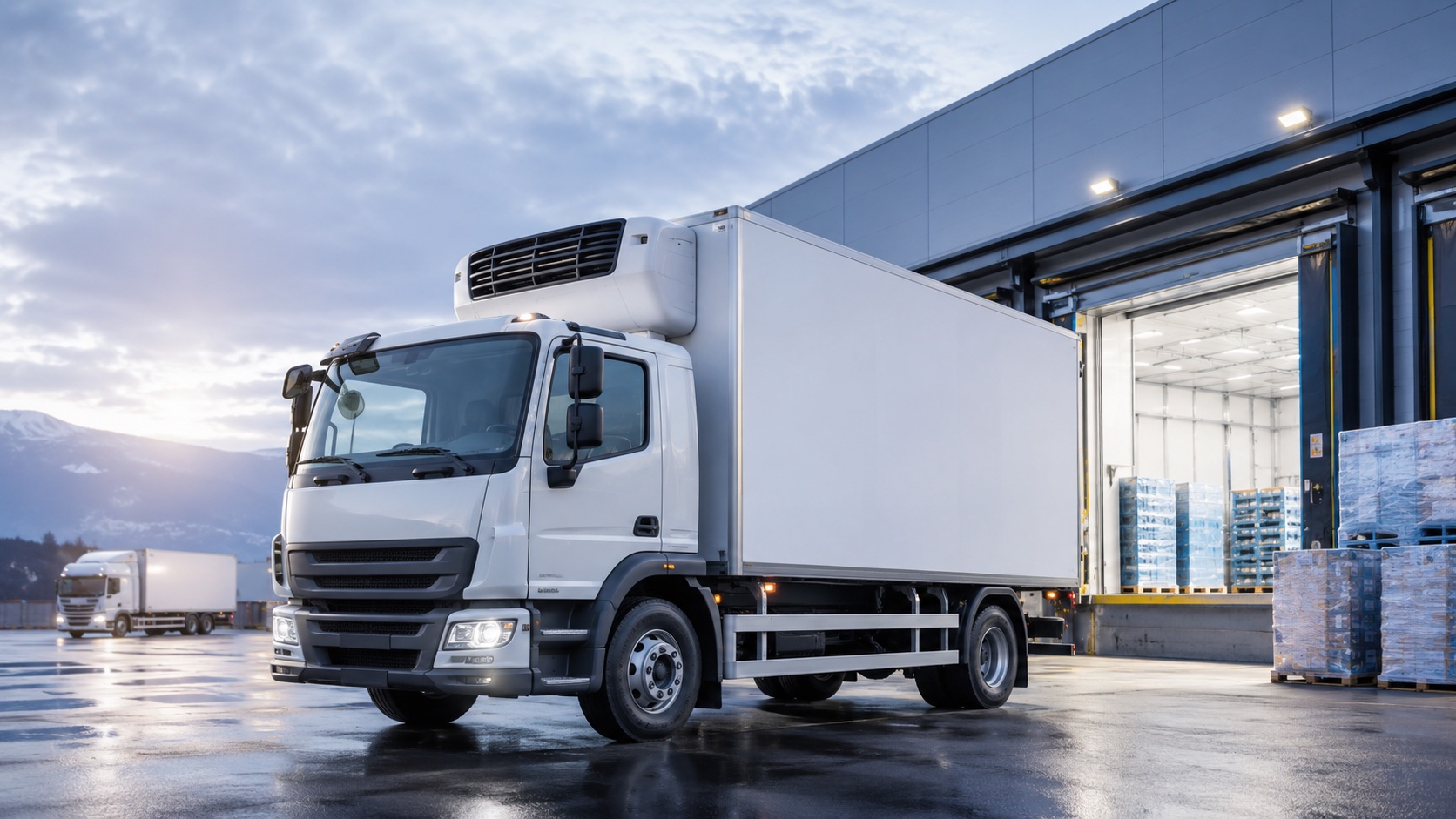
Rising energy costs across Europe are hitting refrigerated transport operations hard. Major logistics providers are adding fuel surcharges as the industry looks for more efficient solutions.
Energy prices across Europe are putting pressure on refrigerated transport operations. Major logistics providers, including Maersk, have started adding fuel surcharges on landside transportation across multiple countries. With 20% of global fuel passing through geopolitically sensitive regions, cost volatility is something the industry can't ignore.
Why Refrigerated Transport Is Hit Harder
Refrigerated vehicles consume more fuel than standard trucks because they need continuous power to maintain precise temperatures during transit. That makes them especially vulnerable when energy prices spike. On top of that, new emission requirements and stricter inspections on pharmaceutical and food transport are adding operational complexity.
How Operators Are Responding
The companies managing costs best are the ones investing in efficiency: better insulation technology, hybrid cooling systems, and route optimization software that reduces fuel consumption without compromising temperature control.
Europe's cold chain logistics market, valued at around 90 billion euros in 2025 and growing at nearly 13% annually, still offers strong opportunities. But the operators who come out ahead will be the ones running efficient, modern fleets. Our services can help you find the right balance between cost and performance. Get in touch to discuss your options.