Europe's Reefer Tech Race: New Units Meet Rising Heat and Toll Costs
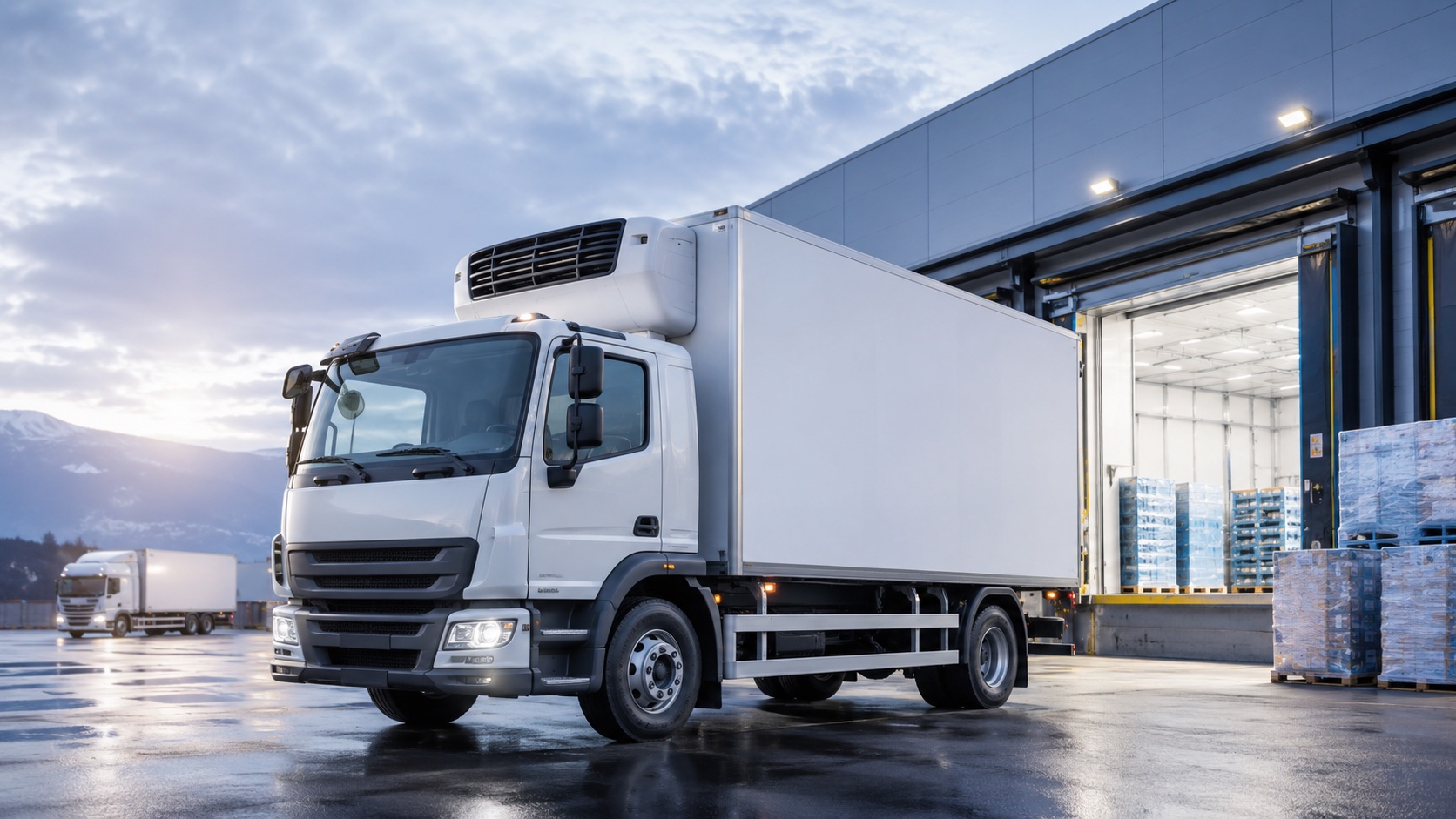
New refrigeration units and AI-powered routing are reshaping refrigerated transport across Europe as operators face record heatwaves and rising toll costs. Navicon explains what these innovations mean for cold chain logistics and temperature controlled shipping.
More News
Europe's refrigerated transport sector is entering a new phase of technological competition, driven by two converging pressures: extreme summer heat and rising operating costs. Recent product launches from major manufacturers show how quickly the industry is adapting, and for fleet operators across the continent, the pace of change is becoming impossible to ignore.
Schmitz Cargobull, Europe's largest trailer manufacturer, has introduced its new S.CU dc100 refrigeration unit, designed to cut fuel consumption while improving cooling performance. The launch signals the company's deeper push into building proprietary refrigeration systems, positioning it as a direct competitor to established players like Carrier Transicold and Thermo King. For cold chain operators, this kind of competition typically translates into better efficiency, lower energy costs, and more choice when specifying new refrigerated semi-trailers.
Heat Resilience Becomes a Core Design Priority
Europe's cold chain logistics market, now valued at more than €100 billion annually, is facing a structural shift as heatwaves become more frequent and intense. With an estimated 80% of pharmaceutical products transported within the EU requiring strict temperature control, heat resilience is no longer a seasonal concern but a permanent factor in fleet planning, vehicle specification, and route design. Refrigeration units that maintain performance under sustained high ambient temperatures, like the newly launched S.CU dc100, are becoming a baseline requirement rather than a premium feature.
Thermo King's continued expansion of its all-electric EV reefer series, initially rolled out in Asia-Pacific markets, reflects a broader global trend toward electrified refrigeration that European manufacturers are mirroring closely. Combined with the ongoing Eurovignette toll reform, which shifts charging from time-based to distance-based models and adds CO2 fees for diesel trucks, the economic case for electrified and more efficient refrigeration systems continues to strengthen.
Smarter Routing Meets Smarter Refrigeration
Alongside hardware innovation, software is playing an increasingly central role. Ortec's new AI-powered optimization platform for refrigerated deliveries illustrates how predictive, data-driven routing is becoming essential for temperature-sensitive cargo, helping operators reduce dwell times, minimize temperature excursions, and cut unnecessary fuel use during heat events.
For Navicon International, these developments reinforce a strategy already in motion: pairing high-performance refrigerated vehicles and insulated vans with intelligent fleet management. As European cold chain operators navigate rising toll costs, heat-driven operational risk, and growing pharmaceutical and food safety demands, Navicon continues to invest in vehicles and logistics solutions built for this new reality, helping clients keep temperature-controlled shipping reliable, compliant, and cost-efficient across every route in Europe.