
Cold Storage Consolidation Fuels New Refrigerated Fleet Demand
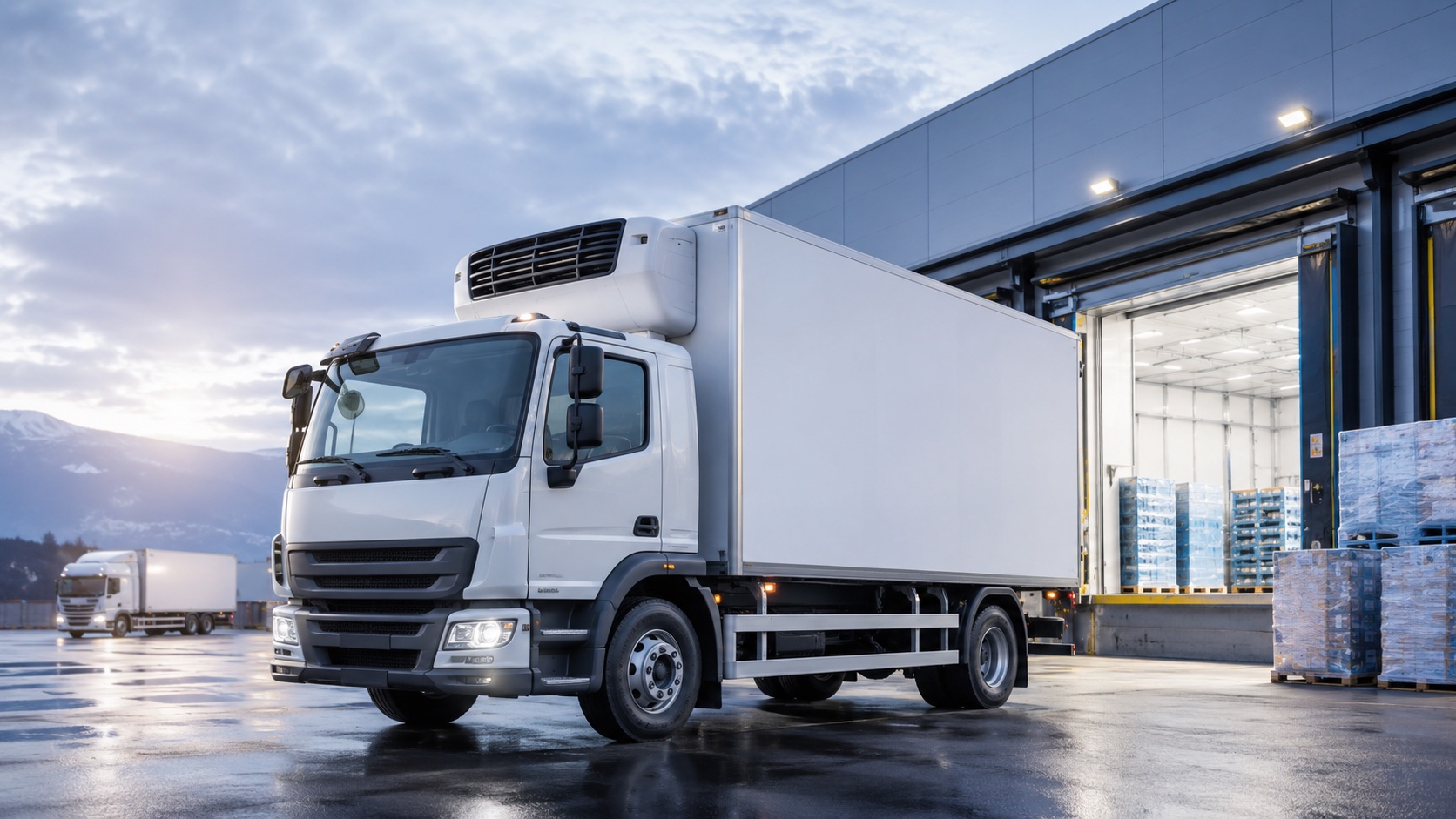
As European cold storage providers consolidate through acquisitions and automation, the resulting mega-hubs are reshaping demand for refrigerated transport. Navicon examines how temperature-controlled fleets must adapt to serve larger, more automated cold chain logistics networks.
More News
Europe's cold storage sector is undergoing rapid consolidation, with recent weeks bringing fresh evidence of the trend reshaping temperature-controlled logistics across the continent. Constellation Cold Logistics' acquisition of Norway's Impruv Logistics, combined with Thermotraffic's new automated cold store in Wrexham adding over 19,000 pallet spaces, signals a clear direction: bigger, smarter, more centralized cold storage hubs are becoming the backbone of European food and pharmaceutical supply chains.
For refrigerated transport operators, this consolidation carries significant implications. As cold storage capacity concentrates into fewer, larger, highly automated facilities, the distances goods must travel between storage and end customers often increase, while the complexity of coordinating pickups, cross-docking, and last-mile delivery grows. This places greater pressure on refrigerated fleets to maintain unbroken temperature control across longer and more variable routes.
Why Fleet Flexibility Matters More Than Ever
Mega cold stores like Thermotraffic's Wrexham facility are designed to serve wide geographic catchment areas, often spanning multiple countries. This means refrigerated transport providers must offer vehicles capable of handling diverse cargo types — from deep-frozen goods requiring blast-freezing compatibility to chilled fresh produce needing precise, stable temperatures throughout transit. Navicon's range of insulated vans and refrigerated semi-trailers is engineered precisely for this kind of operational flexibility, supporting multi-temperature compartments and robust insulation suited to long-haul and regional distribution alike.
As cold storage operators consolidate, they increasingly seek transport partners who can scale alongside them. A single automated hub serving several national markets requires a transport network with sufficient vehicle availability, route flexibility, and reliability to avoid bottlenecks at the storage-to-transport handoff point — precisely where temperature excursions are most likely to occur if fleet capacity is misaligned with warehouse throughput.
Supporting the New Cold Chain Architecture
Navicon works closely with cold storage operators and food logistics businesses to ensure that fleet capacity keeps pace with infrastructure investment. Whether supporting value-added services such as repacking and labelling at consolidated hubs, or managing the final-mile delivery from large regional cold stores to retail and healthcare customers, having access to well-maintained, compliant refrigerated vehicles is essential to preventing the cold chain from breaking at its most vulnerable link.
As consolidation continues across Norway, the UK, and wider European markets, logistics providers that pair automated storage investment with equally capable refrigerated transport will be best positioned to meet growing demand for temperature-controlled goods movement.
Navicon International remains committed to supplying the refrigerated vans, trailers, and cold chain transport solutions that enable this evolving infrastructure to function seamlessly — ensuring that as cold storage networks grow larger and smarter, the vehicles connecting them remain just as capable.