
Port Disruptions Reinforce Case for Resilient Refrigerated Fleet Capacity
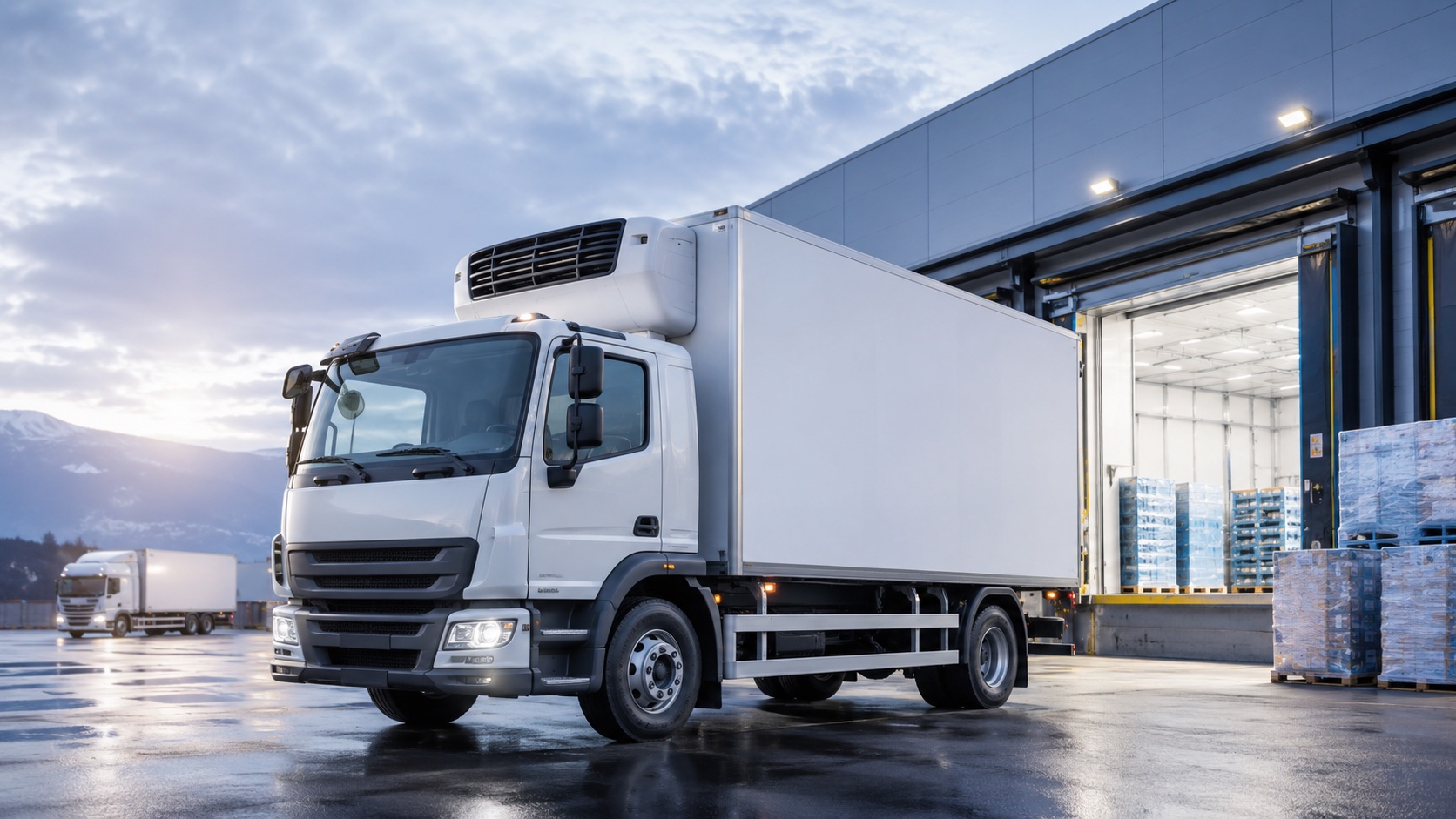
Recent refrigerated cargo disruption at Rotterdam highlights vulnerabilities in European cold chain logistics. Navicon explores why flexible, well-maintained refrigerated transport fleets are essential for temperature controlled shipping resilience.
More News
Maersk's October market update flagged renewed disruption affecting refrigerated cargo handling at Rotterdam, one of Europe's busiest gateways for fresh and frozen freight. With fresh and frozen volumes running high, the carrier urged shippers to secure inland transportation early and maintain close visibility of cargo status — a clear signal that port-side bottlenecks are once again testing the resilience of temperature controlled supply chains across the continent.
For operators and shippers reliant on reefer cargo moving through Maasvlakte II and similar terminals, these disruptions are a reminder that cold chain logistics cannot depend solely on port efficiency. The ability to move quickly from quay to final destination, without compromising temperature integrity, increasingly depends on the quality and availability of ground-based refrigerated transport capacity.
Why Ground Fleet Flexibility Matters Now
When port handling slows, perishable cargo sits longer in uncertain conditions, raising spoilage risk for fresh produce, dairy, and frozen meat shipments. Navicon's refrigerated semi-trailers and insulated vans are engineered to maintain precise temperature control even during extended waiting periods, giving logistics partners a buffer against the kind of handling delays recently seen in Rotterdam. Reliable pre-cooling, robust insulation, and dependable refrigeration units matter most exactly when port schedules become unpredictable.
This disruption arrives alongside other signs of a maturing European cold chain sector. Industry data shows nearly 500 active cold chain logistics companies operating across Europe, with the segment attracting substantial investment and a healthy pace of acquisitions. Fleet operators are responding in kind — UK-based Broughton Transport Solutions recently expanded its cross-border refrigerated capacity with additional Cool Liner trailers, reinforcing a broader industry trend toward strengthening ground transport reliability as a hedge against upstream disruption.
Building Resilience Into Cold Chain Networks
For logistics providers and shippers navigating today's environment, the lesson is clear: proactive coordination between port operations and inland refrigerated transport is no longer optional. Building flexibility into fleet planning — through access to well-maintained refrigerated vehicles, scalable capacity, and rapid deployment options — helps absorb shocks when terminal handling slows unexpectedly.
Navicon supplies refrigerated trucks, insulated vans, and semi-trailers designed to support exactly this kind of operational resilience. As European cold chain networks face continued pressure from port congestion, seasonal demand spikes, and tightening regulatory requirements, having dependable refrigerated transport partners on the ground has become a strategic necessity rather than a convenience. With the Cold Chain Live! 2026 conference approaching in Telford, these themes of resilience and future-readiness are set to dominate industry conversation — and Navicon remains committed to equipping operators with the vehicles needed to keep temperature-sensitive goods moving, whatever disruptions arise upstream.