
Flexible Reefer Fleets: Rental Models Reshape Cold Chain Capacity
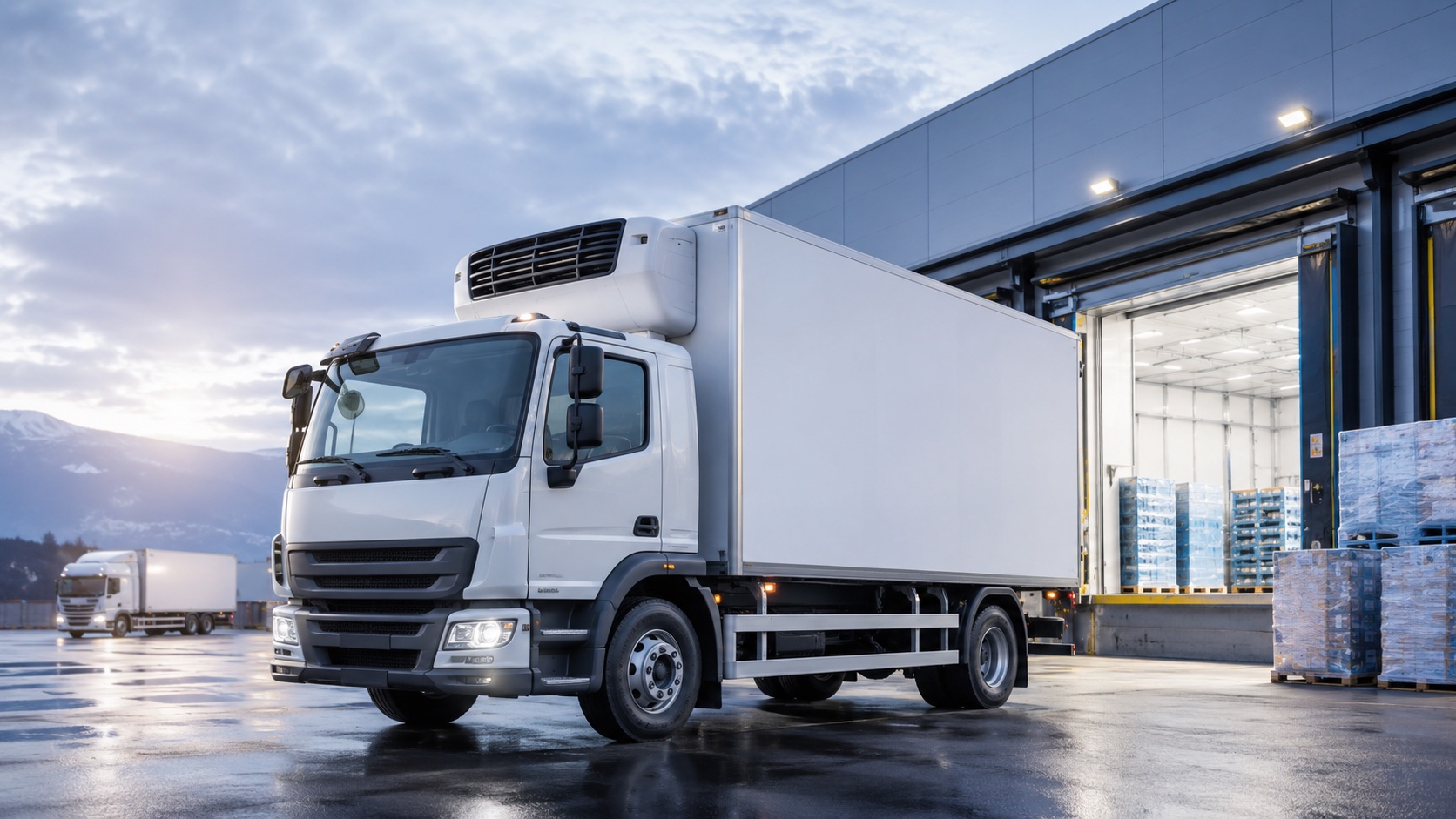
Rental models and standardized refrigerated vehicle builds are transforming cold chain logistics across Europe, offering fleet flexibility and faster access to modern temperature-controlled shipping capacity.
More News
Europe's refrigerated transport sector is undergoing a quiet but significant shift in how fleets access capacity. Rather than committing to large capital investments for every vehicle, operators are increasingly turning to rental models and standardized vehicle builds to stay agile in a market defined by fluctuating demand, tighter margins, and rapid technology turnover.
This trend mirrors developments seen in adjacent markets, where reefer LTL (less-than-truckload) services allow smaller producers to consolidate partial loads onto shared temperature-controlled trailers rather than paying for full capacity they don't need. The underlying principle — flexibility without sacrificing compliance or reliability — is now taking hold across European cold chain logistics as well.
Standardization Meets Speed
A parallel development is the move toward standardized refrigerated box body specifications, which reduce manufacturing lead times and give fleet operators more predictable procurement timelines. For companies managing seasonal peaks, perishable export contracts, or last-mile pharmaceutical distribution, the ability to scale a fleet up or down quickly has become a competitive necessity rather than a luxury.
Navicon has long recognized this demand for flexibility. Our range of insulated vans, refrigerated semi-trailers, and temperature-controlled vehicles is built to support operators who need dependable, compliant equipment without the delays traditionally associated with custom builds. By offering well-specified, proven configurations, we help fleets respond faster to shifting market conditions.
Why Flexibility Matters for European Operators
Rising fuel costs, new toll structures, and evolving emissions regulations across EU member states are pushing logistics companies to rethink fixed-asset strategies. Rental and flexible-access models lower the barrier to adopting newer refrigeration technologies, allowing operators to test advanced units — including electrified and hybrid refrigeration systems — without long-term financial exposure.
For fresh produce exporters, pharmaceutical distributors, and food retailers alike, this flexibility translates directly into supply chain resilience. Access to reliable, well-maintained refrigerated vehicles on demand means fewer bottlenecks during peak seasons and better continuity when regulatory or market conditions shift unexpectedly.
As the European cold chain continues to modernize, Navicon remains committed to providing refrigerated transport solutions — from insulated vans to full-scale semi-trailers — that give logistics providers the agility they need to meet tomorrow's temperature-controlled shipping demands today.